Sakhalin
1 photo
Sakhalin Regional Museum
A 1937 Japanese-era castle museum in Yuzhno-Sakhalinsk — «Imperial Crown» style and a 200,000-piece collection
Description
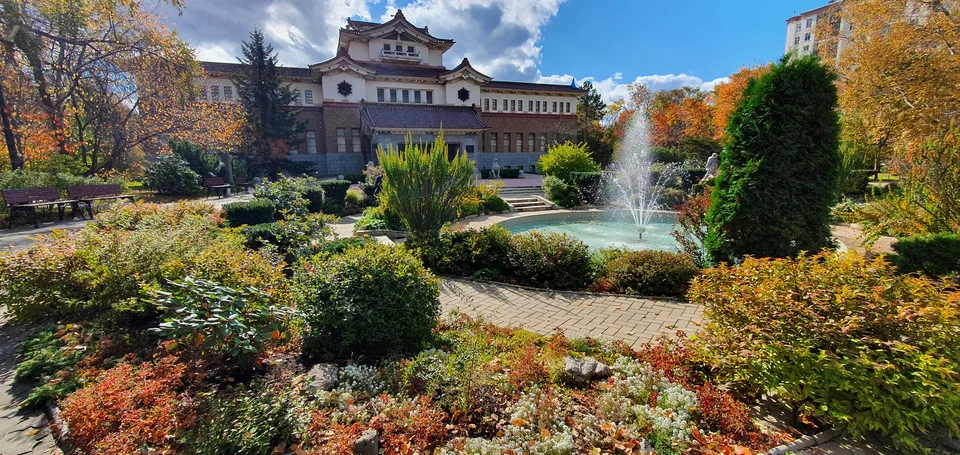
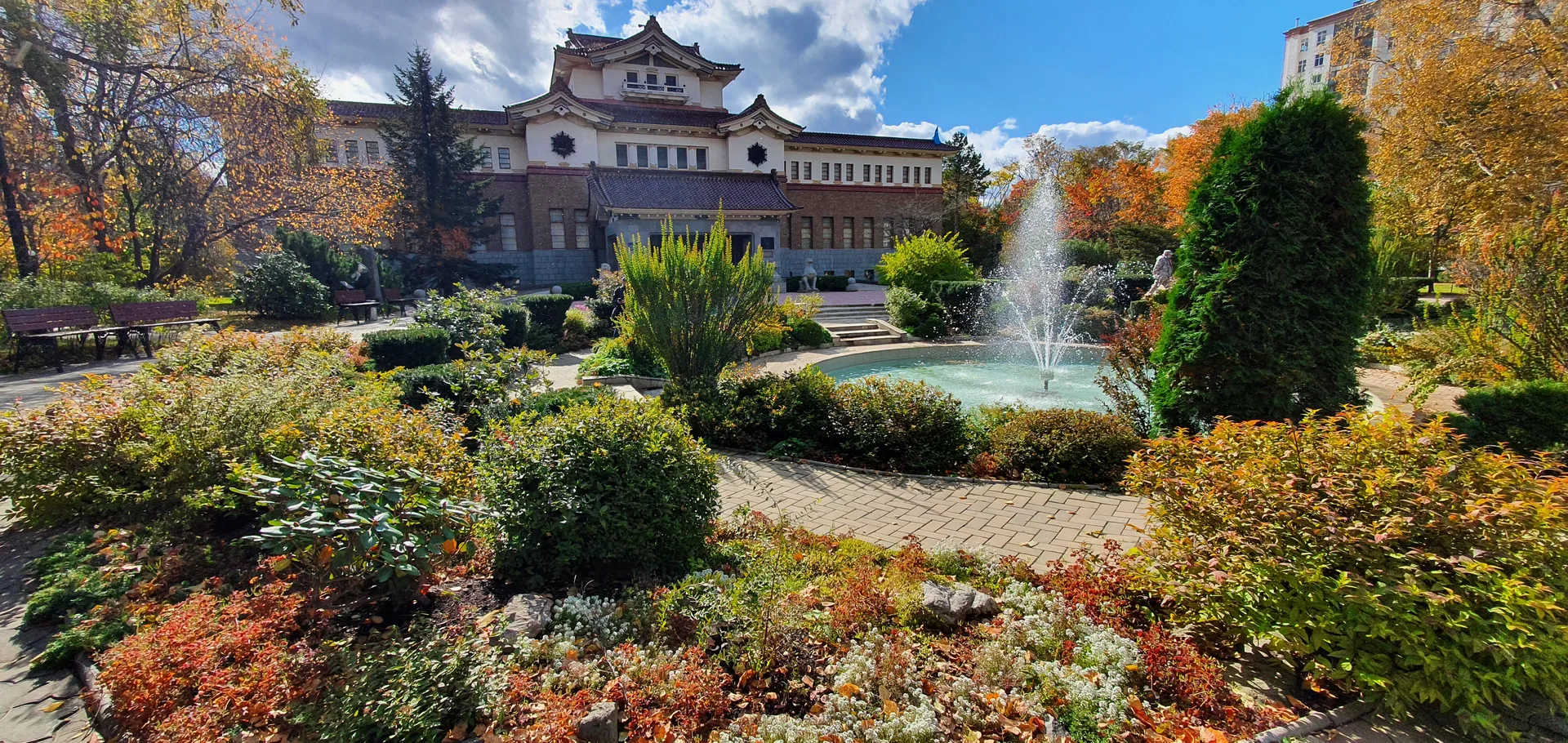
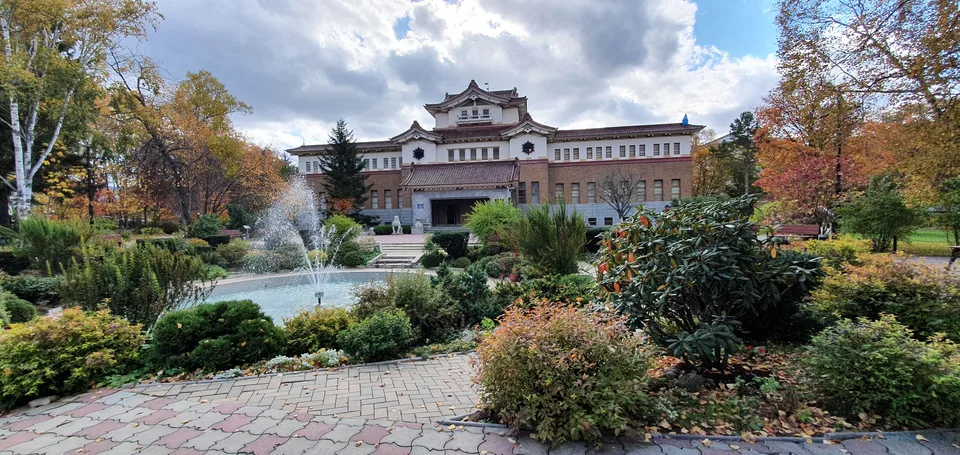
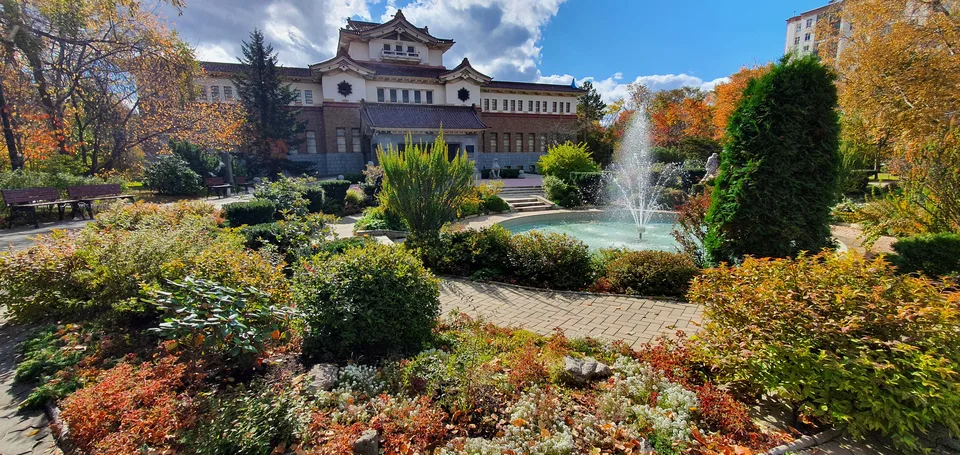
A Japanese castle in the middle of Yuzhno-Sakhalinsk. The Sakhalin Regional Museum lives in a 1937 building in the teikan-zukuri — «Imperial Crown» — style, the last major architectural statement of the Karafuto era and one of the rarest Japanese public buildings still standing outside Japan.
The building: «Imperial Crown», 1937
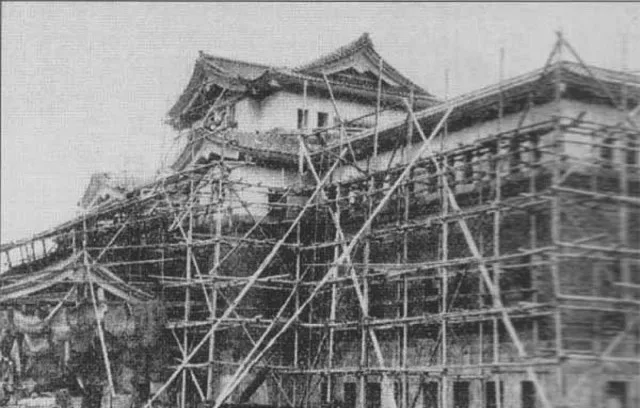
Construction began in 1935, funded by donations from the inhabitants of Karafuto Prefecture. The lead architect — and on-site foreman — was Yoshio Kaizuka. The teikan-zukuri style, popular in 1920s–30s Japan, reads at a glance: tile roofs in the silhouette of a Japanese castle, lantern-windows in the ceiling, an entrance portico, metal mounts and decorative chrysanthemum kazari ornaments on the eaves. Parts of the basement and first floor are stone-faced like a historic castle; the long narrow windows on the first and second floors recall the arrow-slits of medieval defenders. The second-floor superstructure echoes a watchtower — and in old Japanese castles such towers were linked by covered passages, a motif Kaizuka folded into the design.
The left and right roofs are flat: in addition to their primary function, the roof works as an observation deck, and skylights bring daylight into the second floor. Metal mounts and stylised flowers ornament every corner; the decorative programme combines Shinto and Buddhist traditions. Kaizuka inspected the work almost daily, tapping the plaster with a wooden rod to check it: where it cracked, the wall came down and was redone.
The museum opened to the public on 1 August 1937. The basement housed archaeology and geology; the first floor — natural history and ethnography; the second — Karafuto industry; the third — meteorology. A weather vane still spins on the roof: the first staff included a meteorologist who took daily readings, alongside an archaeologist, a botanist and an ethnographer.
The guardians at the gate
Two komainu — the lion-dog guardians of Japanese tradition — flank the entrance. They originally stood at the approach to the Gokoku-jinja Shinto shrine in the city of Toyohara (today the grounds of Yuzhno-Sakhalinsk City Hospital). By tradition komainu protect the entrance to a sanctuary; the figures were moved to the museum in the late 1940s.
From Aleksandrovsk to Yuzhno-Sakhalinsk
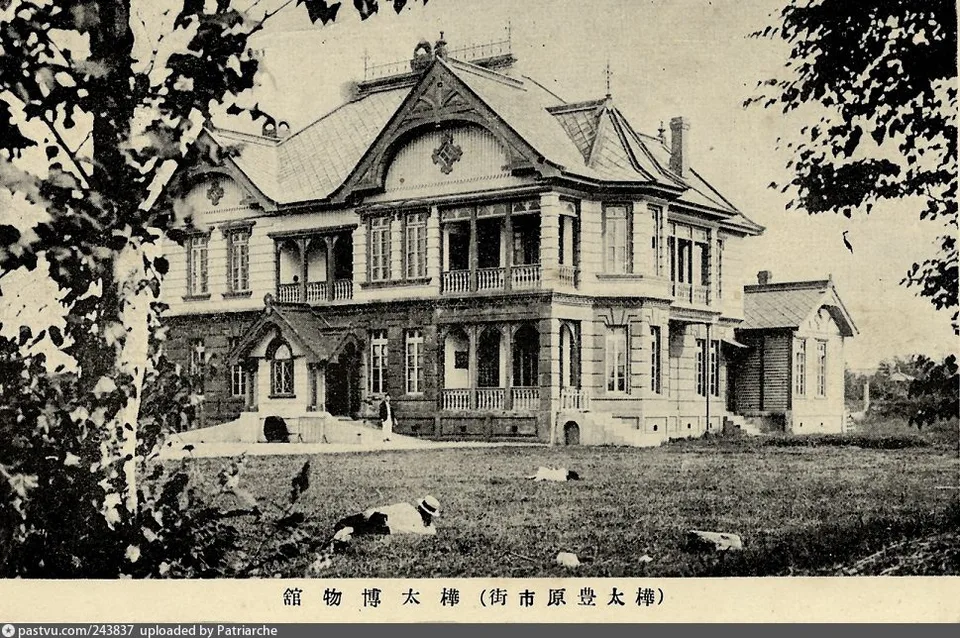
Until 1947 the regional capital was Aleksandrovsk-Sakhalinsky, and the island's oldest local-history museum — established there by penal colonists — held regional status. On 25 October 1947 the capital was transferred to Yuzhno-Sakhalinsk, and the bulk of the Aleksandrovsk collections were moved to the present site. The institution has carried its current name since then.
What's inside
The museum today holds over 200,000 items of cultural heritage: archaeology and ethnography, natural history of Sakhalin and the Kurils. Among the rare collections are traditional everyday objects of Sakhalin's indigenous peoples — Nivkh and Ainu — and palaeontology. Dedicated halls cover the Japanese Karafuto period (1905–1945) and trophy artillery from Port Arthur. It is the best one-hour course in the region on who lived on this island, when, and what they left behind.
Practical information
- Address: 29 Kommunistichesky Prospekt, Yuzhno-Sakhalinsk; five minutes on foot from Lenin Square.
- Visit time: 1.5–2 hours; with an in-depth tour, three.
- AMIST programmes: The museum is the mandatory first stop in any Yuzhno-Sakhalinsk itinerary we run — the most compact way to introduce a guest to the three overlapping layers of Sakhalin's history: indigenous peoples, Karafuto, and the Soviet/post-Soviet period.
- Tours in foreign languages: English on request; Chinese with AMIST private guides.
- Season: Year-round; the ideal "rain-day" option when the sea is closed by weather.
Where to begin Sakhalin
Sakhalin is three or four histories laid one over the other — Ainu-Nivkh, Japanese, Soviet, post-Soviet. The simplest way to understand how they fit together is to spend an hour in a building that is itself an artefact. AMIST has been opening Yuzhno-Sakhalinsk programmes here since the company was founded in 2001. If a week of island travel is ahead of you, this hall is where the Kuril volcanoes acquire their context.
Gallery
1 / 5
On the map
Want to see Sakhalin Regional Museum?
We will arrange an excursion to this and other attractions